AI your business owns
You decide what the AI can see, do, and send.
Atarla is being built as the software that stands between your business and any AI working for it. It is designed so you set what each AI helper can see, what it can change, which model does the work, and what is allowed to leave the building. Each of those is a permission you grant, not something switched on by default.
What the layer connects.
Business software, files, calendars, calls, payments, inventory, cameras, devices, and the knowledge your team already carries. Connectors translate those events into one model so a decision does not depend on which tool happened to record it.
Connecting a source is a permission decision, not a default. Each connection declares what it may read, what it may change, and who approved it.
What agents may do.
The design gives each agent an identity, a narrow role, named tools, and a limit. A model can recommend and an agent can plan, but the decision to allow an action is meant to sit in ordinary code outside the model, not in the model's own judgement. Consequential, financial, irreversible, or unclear actions can stop for a person. The part that enforces this is still being built and tested, so treat it as the design, not as a finished guarantee.
Every agent can be paused. Pausing preserves what it already did, because the record of its actions is the point.
Where it runs.
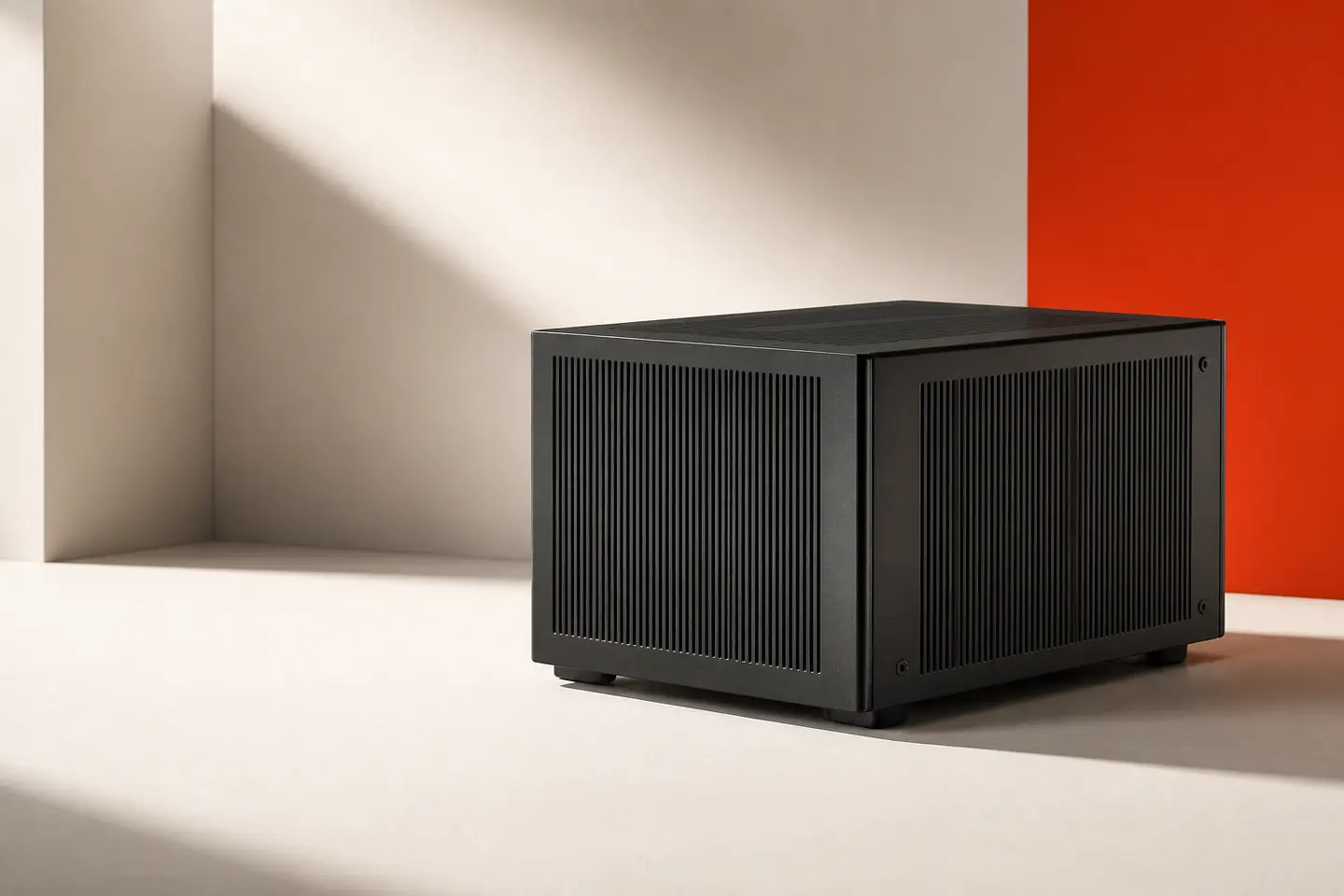
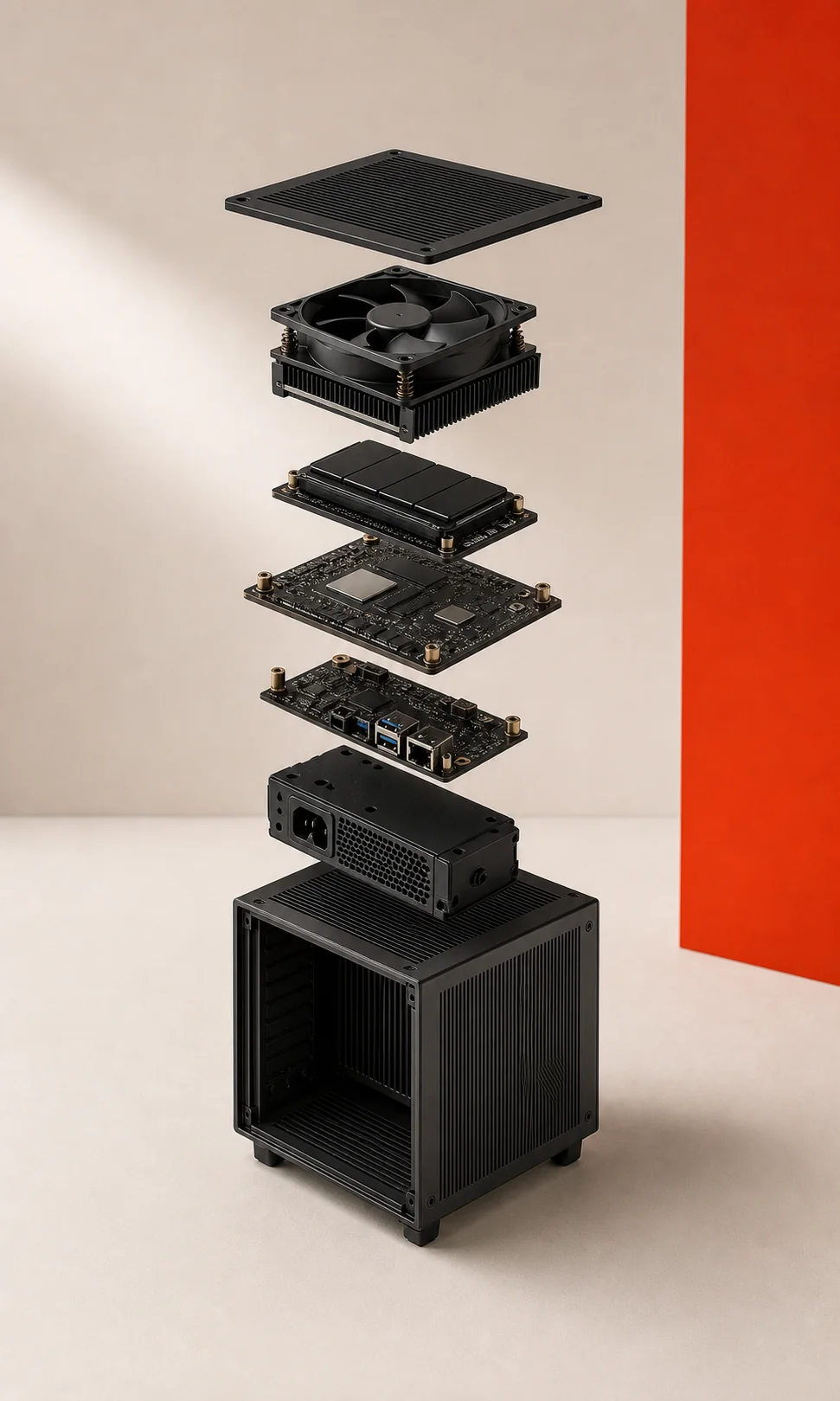
The same layer runs in Atarla Cloud, on infrastructure you already own, on an Atarla Node, or split across them. Location is a deployment decision, not a different product.
Local first is a control order, not an isolation rule. Work starts from your policy and the capability closest to it, and reaches outside models when there is a reason worth stating.
Step by step
One request, start to finish.
Each step is a decision the business controls. The example is a restaurant, but the sequence is the same in any operation.
- Something happens.
A customer calls to move a booking. Right now that fact exists only inside the call.
- It lands in one place.
The call joins the bookings, the staff schedule, and past orders, on a computer the business controls.
- An agent proposes.
An agent whose only job is bookings drafts the change. It can read the calendar. It cannot touch payments.
- A person approves.
Anything that costs money or is hard to undo waits for a human, who sees the proposed action before it happens.
- Outside help, only if needed.
If the task needs a larger model than the business runs, it goes out deliberately, and that trip is recorded.
If a step fails, it stops there. The record shows what was attempted, who allowed it, and where it stopped.
Compare the architecture, not a marketing checklist.
These are durable categories, not a benchmark of named vendors. The right approach depends on control needs, operating capacity, and the work being coordinated.
Atarla is at prototype stage. This comparison describes an intended architecture, not verified product superiority.
What is not claimed.
The layer is under active development. This page describes the architecture and the direction, not a generally available product, and no performance, certification, or deployment claims are made.
What exists today.
The progress page lists what is built, what is in testing, and what is still an intention, each with its status.