Business AI you can own.
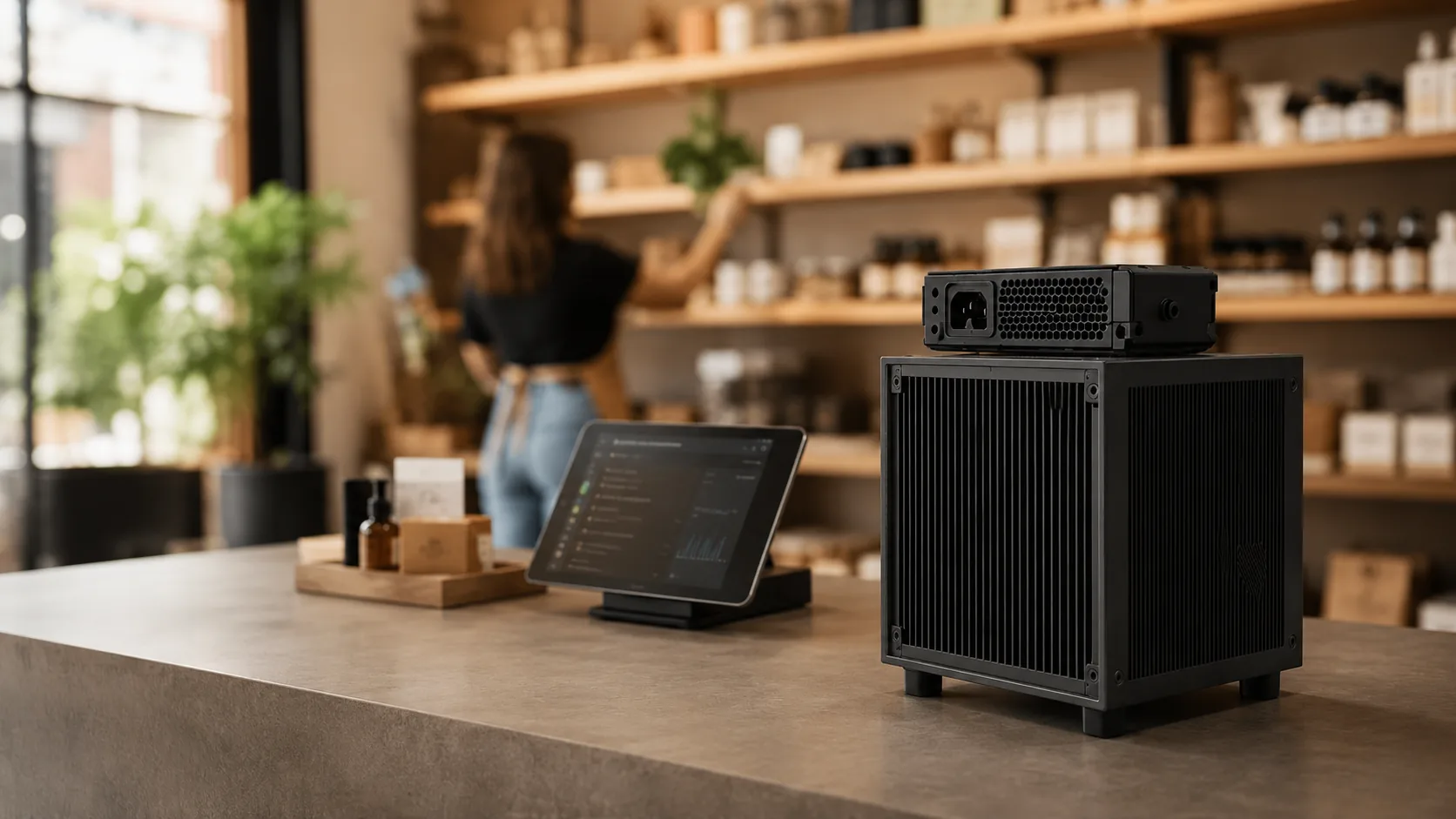
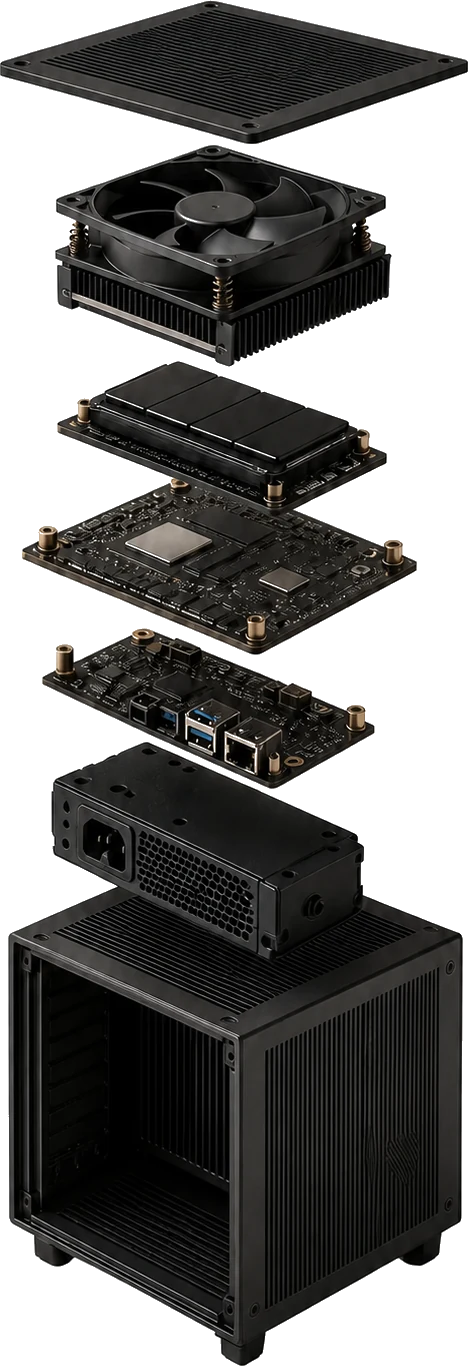
Atarla is building a small computer that sits in your business and connects the tools you already use, so AI can help with the work without your information leaving the building. It is an early prototype, not something you can buy yet.
What is Atarla?
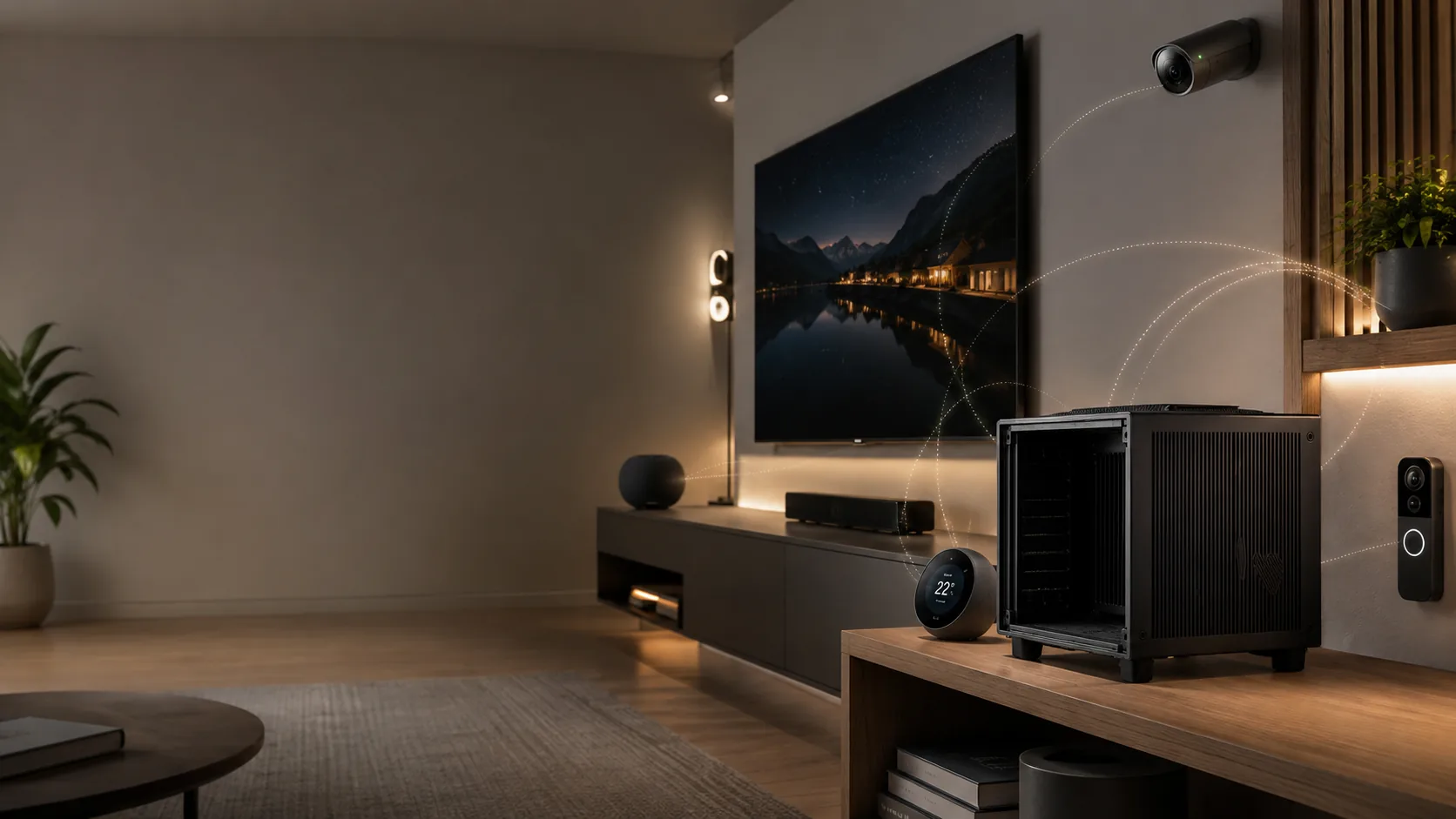
Your phone system, your schedule, your payments and your cameras each know part of what happened today, and none of them talk to each other. Atarla is a computer that sits in the business and holds that information in one place, so an AI assistant can actually be useful without you handing your records to someone else. You decide what each assistant is allowed to see, what it is allowed to change, and what is allowed to leave the building.
Instead of replacing the tools a business already pays for, Atarla is designed to sit between them and carry what each one knows. People stay in control of permissions, approvals, and what leaves the business.
- Connect the work.Bring calls, schedules, payments, sensors, and software into one place they can all draw on.
- Keep useful memory.Store business-specific knowledge on a computer the business controls.
- Limit every agent.Give each AI agent a clear role, permission boundary, and review point.
The problem: business tools lose context between them.
Small businesses make up nearly every U.S. business and employ almost half of private-sector workers. Yet the information needed to run one is often split across calls, schedules, payments, inventory, cameras, and separate software. People repeat work, decisions slow down, and important details disappear between tools.
36.2Msmall businesses
U.S. Small Business Administration, 2026How Atarla works.
Business tools send what they know to one computer the business owns. It holds that information, lets limited agents prepare or finish approved work, and reaches outside cloud services only when a task needs it.
Research, signals, and field notes.
Browse all insights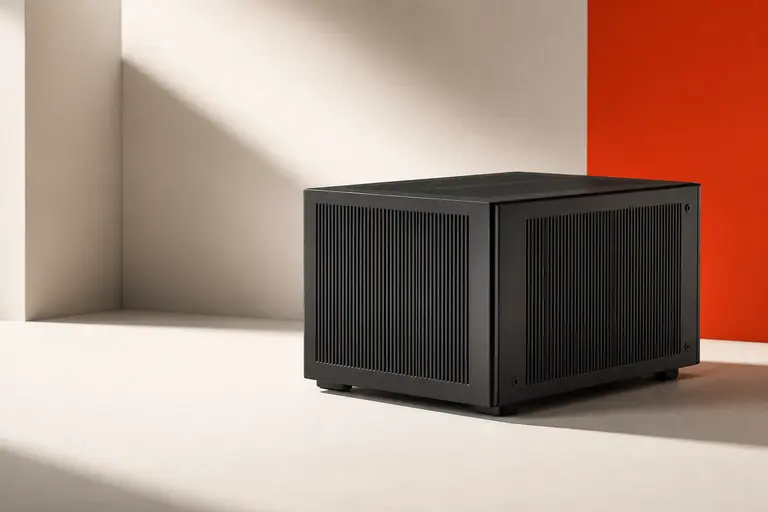
Why local first does not mean local only.
Keep the first decision point close to the business, then route outward when a task benefits from external compute.
Agents near operations need visible boundaries.
Identity, least privilege, review points, and auditability should be part of the system, not policy added later.
What changed, and why it matters.
Dated primary sources, Atarla's interpretation, and public hypotheses that can change when the evidence does.
What exists today, and what has to be proved next.
A working prototype, an invite-only application, and the evidence gates that separate the current build from the longer platform direction.
Read the system argument.
The white paper explains who owns what, the limits placed on every agent, and when work is allowed to leave the business.
Read the white paper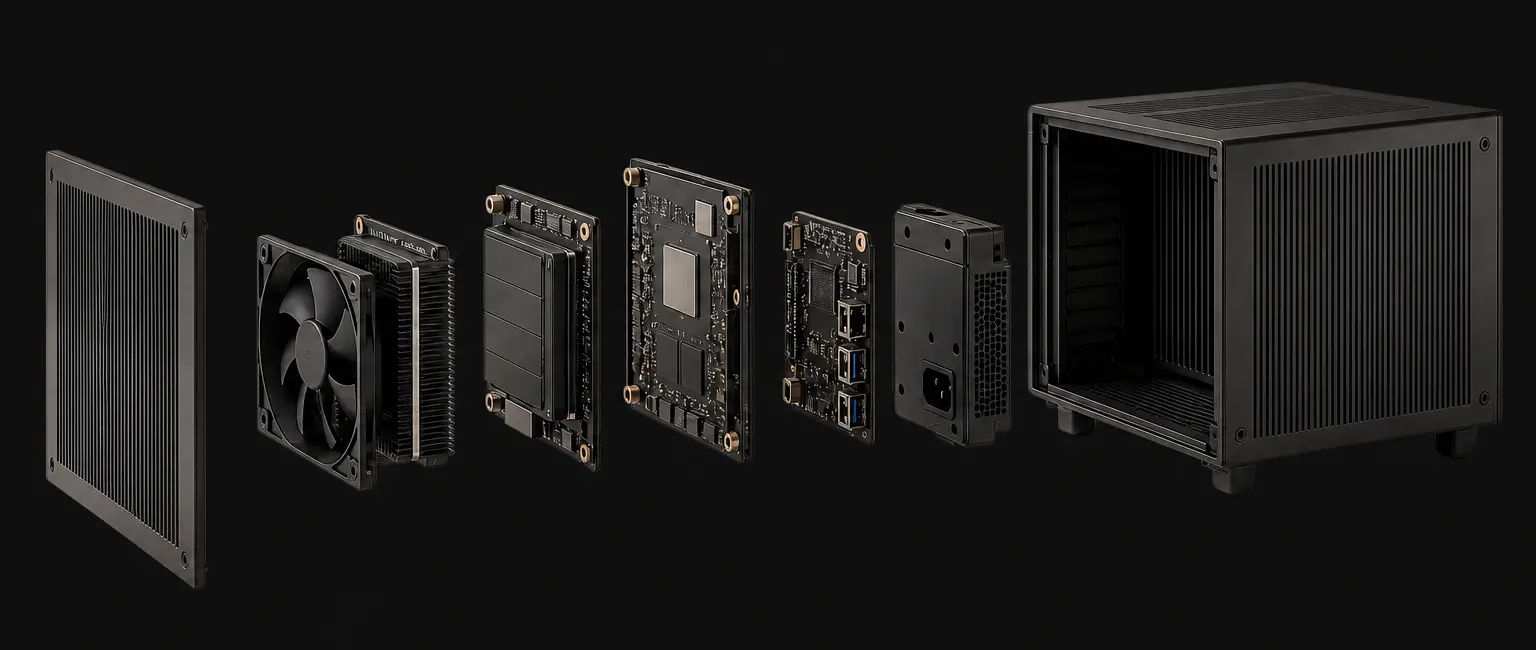
Intelligence should belong to the people it serves.
A direct founder note on why Atarla is being built, what ownership means, and where the platform could go next.
Read the founder story